Get Rubber Roof Repair
Rubber roof repair services help property owners fix leaks, tears, and damage on flat or rubber roofing systems, typically involving patching, sealing, or replacement projects.
If your property has a rubber roof that shows signs of wear or damage, exploring repair options is a practical step toward maintaining its integrity. Rubber roof repairs can help prevent leaks, extend the lifespan of the roofing system, and protect your investment. Property owners in the area often consider repairs to address issues early on, avoiding more extensive and costly replacements down the line. Whether you’re dealing with minor cracks or more significant damage, there are experienced local contractors ready to assess and handle the work efficiently.
Planning a roofing project involves comparing local service providers to find the right match for your needs. Many property owners take the time to explore available options, ensuring they choose reputable professionals with the expertise to deliver quality repairs. By contacting local contractors, you can gather information about their services and determine which team is best suited to help restore your rubber roof’s performance and longevity. Keep reading to learn more about how local pros can assist with your rubber roof repair needs.
- Rubber Roof Repair - needed when leaks or water damage appear on a rubber roofing system.
- Rubber Roof Replacement - required if existing roofing has extensive damage or aging issues.
- Rubber Roof Patching - suitable for small tears or punctures that compromise roof integrity.
- Rubber Roof Inspection - recommended to assess the condition of a rubber roof after severe weather.
- Rubber Roof Maintenance - essential for prolonging the lifespan of a rubber roofing system through regular care.
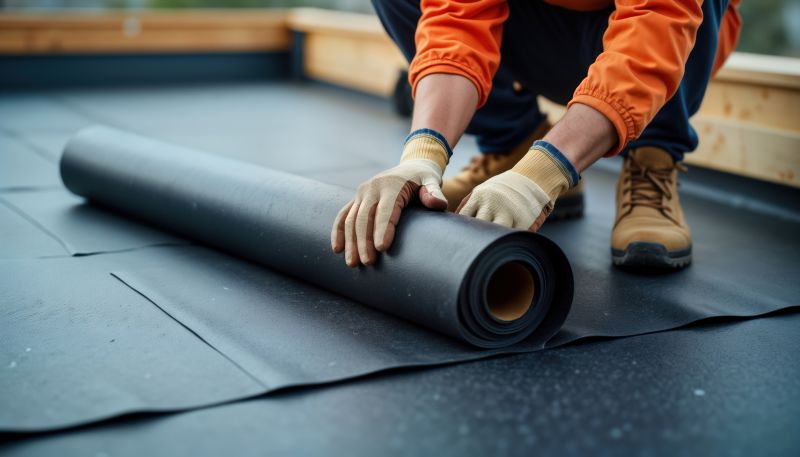
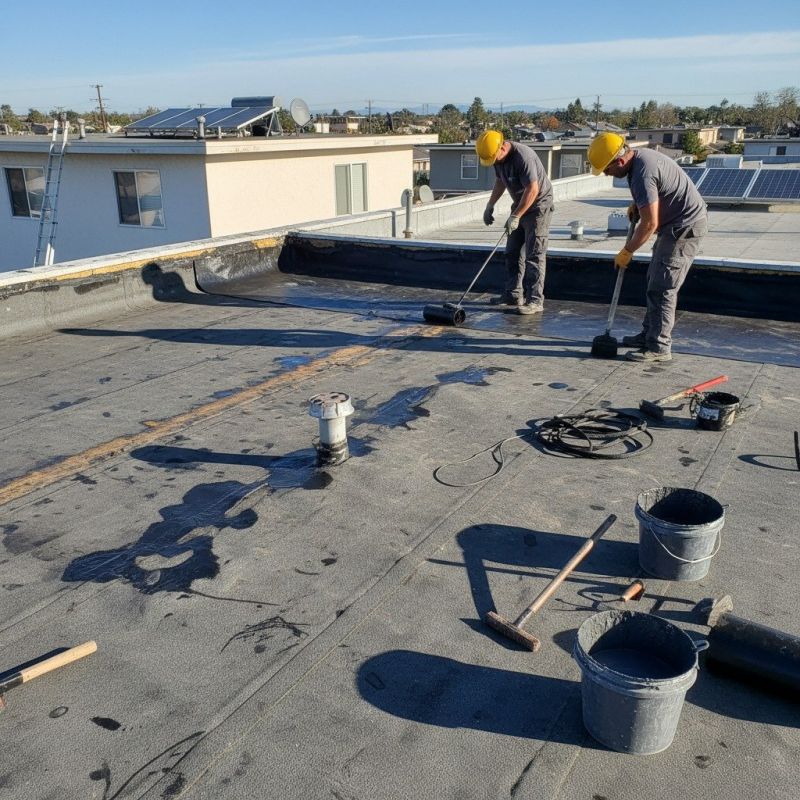
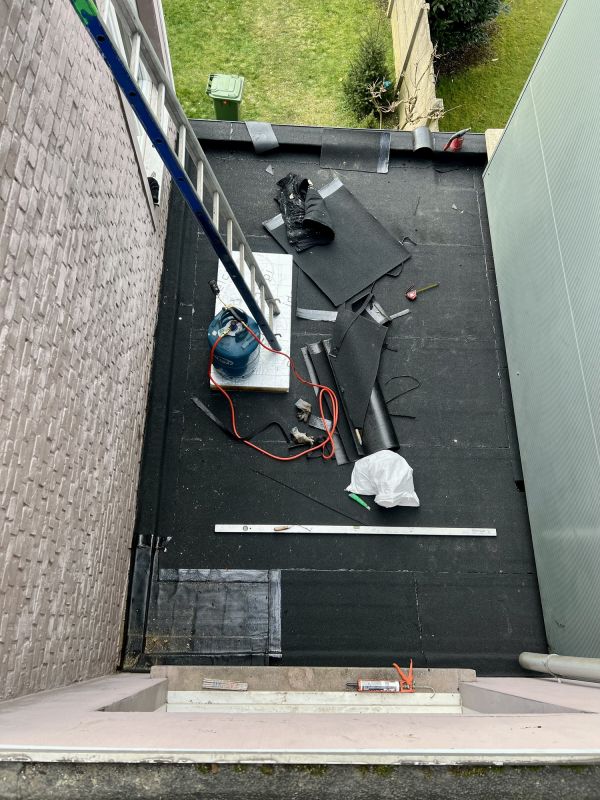
Rubber roof repair services involve inspecting and restoring rubber roofing systems to ensure they remain durable and watertight. These repairs typically address issues such as punctures, tears, or cracks that can develop over time due to weather exposure, foot traffic, or aging materials. Skilled service providers assess the condition of the rubber membrane, identify problem areas, and perform targeted repairs that help extend the lifespan of the roof. Proper repair work can prevent small issues from escalating into more significant, costly problems, providing peace of mind for property owners.
Rubber roofing problems often manifest as leaks, blistering, or surface deterioration. Water intrusion caused by tears or punctures can lead to interior damage and mold growth if not addressed promptly. Additionally, cracks or surface wear can compromise the roof’s ability to shed water effectively, increasing the risk of leaks during heavy rain or storms. Rubber roof repair services focus on sealing these vulnerabilities with durable patching materials or membrane repairs, restoring the roof’s protective barrier and preventing further damage.
This type of roofing repair is commonly used on a variety of properties, including residential homes, commercial buildings, and industrial facilities. Many homeowners with flat or low-slope roofs choose rubber roofing for its affordability and flexibility. Commercial property owners often rely on rubber roofs for their durability and ease of maintenance. Regardless of the property type, local contractors can evaluate the specific needs of each roof and recommend appropriate repair solutions to maintain its integrity and functionality.
Homeowners and property managers should consider rubber roof repair services when noticing signs of damage or leaks. Early intervention can help avoid more extensive repairs or complete roof replacements down the line. If a rubber roof shows visible cracks, punctures, or water stains inside the building, contacting local service providers for an inspection and repair can be a practical step. Professional repairs help ensure the roof continues to protect the property effectively, maintaining safety and structural integrity over time.
The overview below groups typical Rubber Roof Repair projects into broad ranges so you can see how smaller, mid-sized, and larger jobs often compare in your area.
In many markets, a large share of routine jobs stays in the lower and middle ranges, while only a smaller percentage of projects moves into the highest bands when the work is more complex or site conditions are harder than average.
Smaller Repairs - typical costs for minor rubber roof repairs range from $250 to $600. Many routine patching or leak fixes fall within this range, depending on the extent of the damage and accessibility. Fewer projects require repairs at the higher end of this spectrum.
Moderate Repairs - more involved repairs such as replacing sections or addressing extensive leaks usually cost between $600 and $1,500. These projects are common for larger roofs or multiple repair areas, with some exceeding this range for complex issues.
Full Roof Replacement - replacing an entire rubber roof generally costs from $5,000 to $12,000, depending on the size and complexity of the installation. Larger, more detailed projects can push beyond this range but are less frequent.
Maintenance and Upgrades - routine maintenance or minor upgrades often fall between $300 and $1,000. These costs cover inspections, minor repairs, or protective coatings, with many projects staying within the lower to middle parts of this range.
Actual totals will depend on details like access to the work area, the scope of the project, and the materials selected, so use these as general starting points rather than exact figures.
Flat Roof Coating Projects - Local contractors often handle flat roof coating jobs that require similar surface preparation and waterproofing skills as rubber roof repairs.
Commercial Roofing Repairs - Many service providers specializing in rubber roof repair also manage repairs on various commercial roofing systems, utilizing comparable tools and planning methods.
EPDM Roof Installation - Installing EPDM roofing involves similar techniques, materials, and planning processes as rubber roof repair projects.
Roof Leak Detection - Service providers experienced in rubber roof repair frequently perform leak detection to identify and address issues efficiently.
Waterproofing Decks and Balconies - Waterproofing projects for decks and balconies share skills with rubber roof repair, including surface prep and sealing techniques.
Roof Maintenance and Inspection - Regular maintenance and inspection services often involve assessing rubber roofing systems and planning necessary repairs or upgrades.
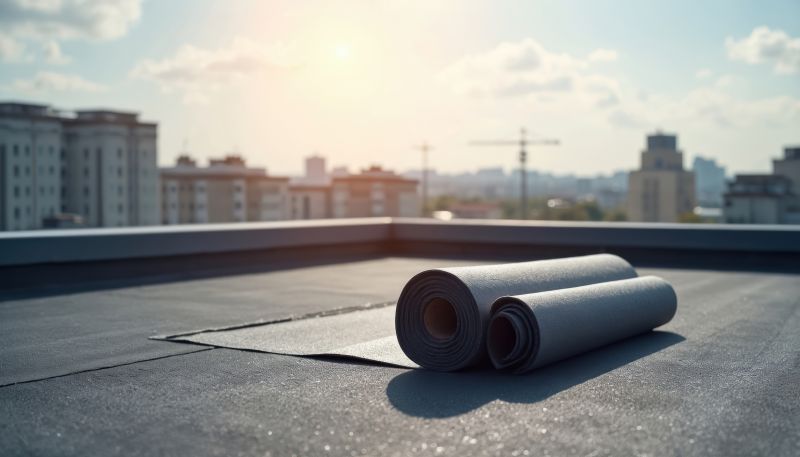
When comparing service providers for rubber roof repair, it’s important to consider their experience with similar projects. Homeowners should look for local contractors who have a proven track record of handling rubber roofing systems, as this indicates familiarity with the specific materials and techniques involved. Asking about the types of projects they have completed can help determine if their expertise aligns with the needs of the home, ensuring the repair work is performed effectively and efficiently.
Clear, written expectations are essential when evaluating potential contractors. Homeowners should seek detailed estimates that outline the scope of work, materials to be used, and any warranties or guarantees offered. Having this information in writing helps prevent misunderstandings and provides a reference point throughout the project. A reputable service provider will be transparent about their process and ensure that all aspects of the repair are clearly communicated before work begins.
Good communication and reputable references are key factors in selecting a reliable local contractor. Homeowners can ask for references from previous clients to gain insight into the contractor’s professionalism and quality of work. Additionally, responsive and straightforward communication during the initial inquiry phase can indicate how well the contractor will keep the homeowner informed throughout the project. Connecting with experienced service providers through a trusted platform can help homeowners find local options that meet these criteria, making the process of repairing a rubber roof more straightforward and confident.
Property owners use Rubber Roof Repair services for practical projects around their homes and businesses. This guide focuses on everyday jobs and straightforward project options.
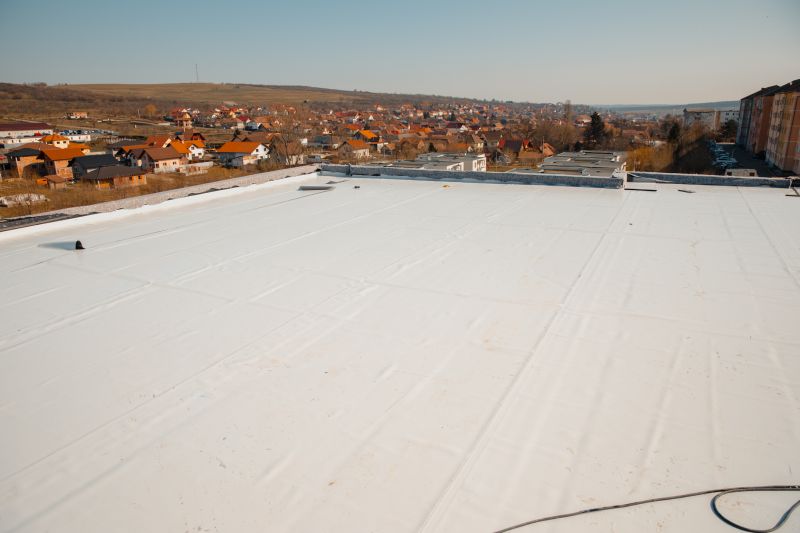
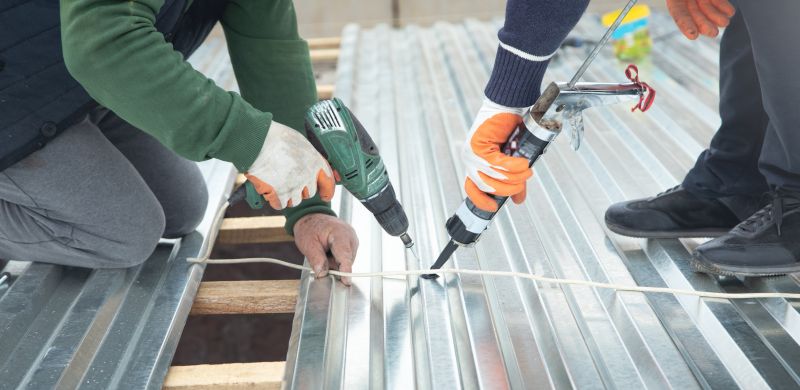
Rubber roof repair services are often sought after by property owners dealing with common issues such as leaks, cracking, or noticeable wear and tear on their roofs. These problems can arise from weather exposure, aging materials, or minor damages that need prompt attention to prevent further deterioration. Local contractors specializing in rubber roof repair can assess the condition of a roof and provide solutions to restore its integrity, helping property owners maintain the safety and functionality of their buildings.
In addition to addressing immediate damage, property owners might look for rubber roof repair services when preparing for seasonal changes or after severe weather events that could compromise the roof’s performance. Routine repairs can also be part of ongoing maintenance to extend the lifespan of the roof. Local service providers are equipped to handle these common situations, offering professional repairs that aim to protect the property from future issues and preserve its value.
How do I know if my rubber roof needs repairs? Signs like leaks, cracks, blistering, or pooling water can indicate the need for rubber roof repairs. Consulting with local contractors can help assess the condition of the roof accurately.
What types of repairs are common for rubber roofs? Common repairs include patching punctures, sealing cracks, replacing damaged sections, and addressing blistering or ponding issues. Local service providers can recommend the best solutions based on the roof's condition.
Can rubber roof repairs be done on any type of building? Rubber roof repairs are suitable for a variety of buildings, including residential, commercial, and industrial structures. Local contractors can evaluate if a repair is appropriate for a specific building type.
What should I consider when choosing a contractor for rubber roof repair? It’s important to select experienced local contractors with good reputations, proper insurance, and a clear understanding of rubber roofing systems. Comparing multiple service providers can help find the right fit.
Are there preventative measures to extend the life of a rubber roof? Regular inspections, prompt repairs of damage, and keeping the roof clean can help prolong its lifespan. Local pros can provide guidance on maintenance practices specific to rubber roofing.
Emergency Roof Leak Repair - When unexpected leaks occur after storms or heavy rain, local contractors can quickly address the issue to prevent water damage.
Roof Coating Application - Property owners can explore protective coatings to extend the lifespan of their rubber roofs and improve weather resistance.
Routine Inspection Services - Regular assessments by local pros help identify early signs of wear or damage, supporting proactive maintenance efforts.
Patch and Seal Repairs - Small tears or punctures can be efficiently repaired to maintain the integrity of the roof and avoid larger issues later.
If you are thinking about Rubber Roof Repair for a property, this guide is meant to help you understand the work, the typical project types, and how different options might fit your plans.
When you are ready, you can use the quote form on this page to share a few details about your project. From there, local pros can review the basics and respond with options that match what you have in mind.